
Published News
Lenovo's Xiaoxin Air 15 Makes the Budget Thin-and-Light Tier More Interesting Than Another AI PC Label
July 12, 2026
What Changed
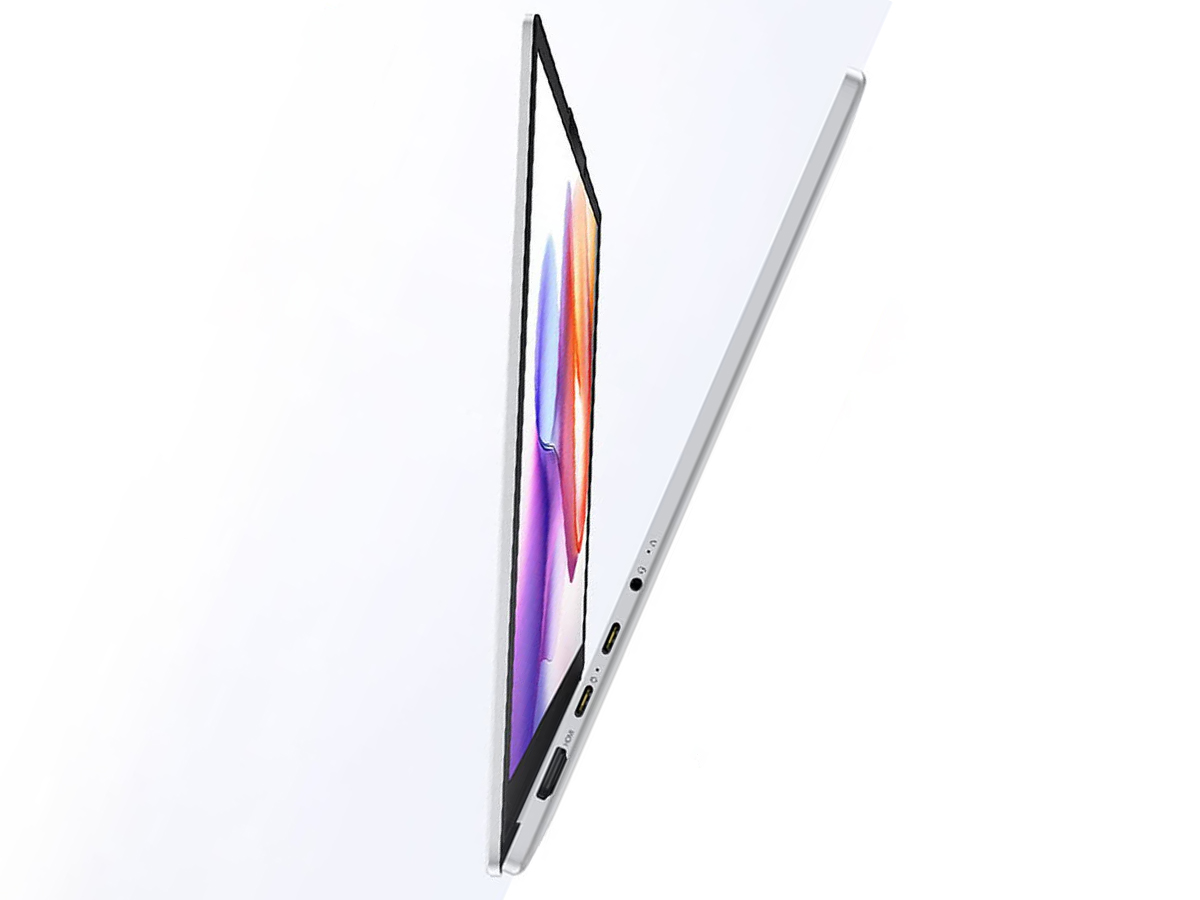
Lenovo has put the Xiaoxin Air 15 on sale in China after first showing the model earlier this year. The shipping configuration pairs Intel's Core 5 320 with 16GB of RAM, a 512GB SSD, and a 15.3-inch 1920x1200 touch display running at 120Hz.
That hardware list would not be unusual in a premium model, but it stands out more in a machine priced at CNY 5,499, or about $811 at current direct conversion. Lenovo also gives the laptop two USB-C ports, two USB-A ports, HDMI, microSD, and a 3.5 mm audio jack, which is more generous than many slim notebooks that now assume buyers will live with adapters.
There is a clear comparison point. Against the MacBook Neo, the Xiaoxin Air 15 offers more built-in ports, double the memory, and a higher refresh rate screen. Lenovo also claims up to 23.8 hours of local video playback from a 54.7Wh battery, which is above Apple's quoted 16-hour figure for that rival model.
Why It Matters
This launch matters because Lenovo is moving practical features into a cheaper thin-and-light class instead of saving them for a more expensive flagship. For buyers who care about office work, study, browser-heavy multitasking, and occasional photo editing, 16GB of RAM and a broad port layout can matter more than another round of vague AI branding.
The comparison is not one-sided, though. The Xiaoxin Air 15 uses a 400-nit IPS panel with 100% sRGB coverage, so it does not clearly beat a brighter premium alternative in display quality. The battery number also comes from Lenovo's own video-playback test, not an independent review, so it should be treated as a best-case figure rather than a guarantee.
People who should care are students, mobile office users, and buyers who want a larger screen without paying premium ultrabook prices. People who should wait are shoppers outside China, because Lenovo has not confirmed an international launch yet, and this class of product often arrives later under a different name.
Practical Takeaway
The Xiaoxin Air 15 looks strongest if your priority is a roomy everyday laptop with enough ports to avoid carrying a dock, plus memory that is already sensible for 2026. The most practical upgrade here is not hidden inside the AI PC marketing. It is the combination of 16GB RAM, a 120Hz panel, and a less compromised port layout at a midrange price.
The limit is also clear. Until independent testing checks battery life, thermals, and sustained performance, this should be seen as a promising value launch rather than an automatic recommendation. If Lenovo brings the same formula to global markets without a major price jump, then this could become a more important mainstream laptop story.
Editorial process: Prepared from official source materials and a confirming secondary report, then edited under Notebook Center publishing standards.